Collecting Studio Pottery: A Guide for Enthusiasts
Studio pottery is more than just functional ware; it is an art form that captures the essence of creativity and craftsmanship. For enthusiasts, collecting studio pottery can be a rewarding journey filled with unique pieces, stories, and connections to the artists behind them. This guide will explore the world of studio pottery, offering insights into its history, how to start your collection, what to look for, and tips for caring for your pieces.

Understanding Studio Pottery
What is Studio Pottery?
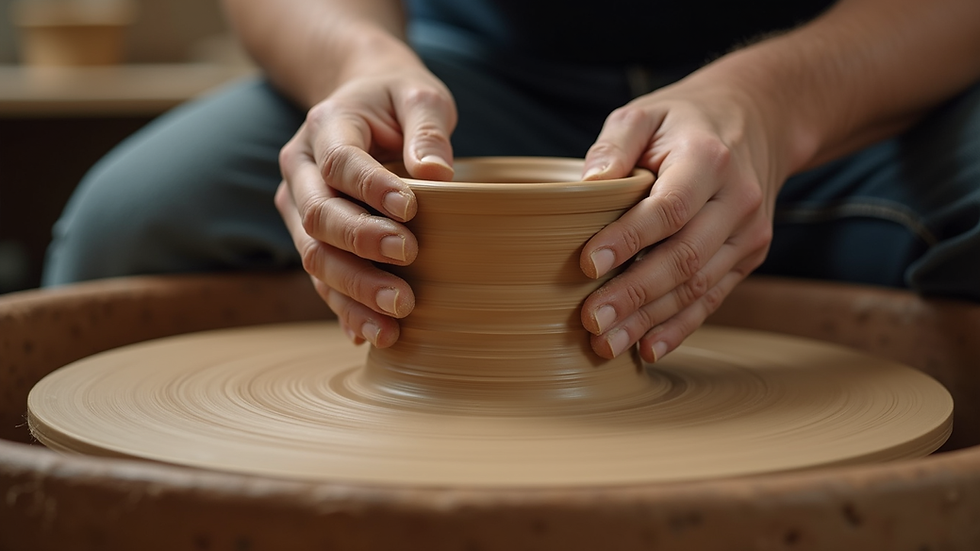
Studio pottery refers to handmade ceramic pieces created by individual artists or small groups, often in small batches. Unlike mass-produced ceramics, studio pottery emphasizes artistic expression, unique designs, and high-quality craftsmanship. Each piece tells a story, reflecting the artist's vision and techniques.
A Brief History
The roots of studio pottery can be traced back to the early 20th century, with movements like the Arts and Crafts movement in the UK and the American Studio Pottery movement. Artists such as Bernard Leach and Shoji Hamada played pivotal roles in establishing studio pottery as a respected art form. Their emphasis on craftsmanship and the beauty of imperfection has influenced countless potters worldwide.
Starting Your Collection
Defining Your Focus
Before diving into the world of studio pottery, it's essential to define what you want to collect. Consider the following aspects:
Style: Do you prefer traditional or contemporary designs?
Material: Are you drawn to stoneware, porcelain, or earthenware?
Functionality: Are you interested in functional pieces like bowls and mugs, or decorative items like sculptures?
Researching Artists and Styles
Familiarize yourself with various artists and their styles. Visit galleries, attend pottery shows, and read books or articles about studio pottery. Some notable artists to explore include:
Lucie Rie: Known for her elegant forms and innovative glazing techniques.
Hans Coper: Renowned for his sculptural approach to pottery.
Peter Voulkos: Famous for his bold, expressive pieces that blur the line between pottery and sculpture.
Setting a Budget
Studio pottery can range from affordable to high-end pieces. Determine your budget before you start collecting. Remember that investing in quality pieces from established artists may yield better long-term value.
What to Look For
Quality of Craftsmanship
When evaluating a piece of studio pottery, consider the following:
Form and Shape: Look for well-balanced and aesthetically pleasing forms.
Glazing: Examine the glaze for evenness, texture, and color. Unique glazing techniques can enhance the piece's value.
Signature: Check for the artist's signature or mark, which can authenticate the piece and provide provenance.
Condition
Inspect the piece for any damage, such as chips, cracks, or repairs. While some imperfections may add character, significant damage can affect the piece's value.
Provenance
Understanding the history of a piece can enhance its value. Research the artist's background, the piece's exhibition history, and any previous ownership.
Caring for Your Studio Pottery
Cleaning and Maintenance
Proper care is essential to preserve the beauty of your studio pottery. Here are some tips:
Cleaning: Use a soft sponge and mild soap to clean your pottery. Avoid abrasive materials that can scratch the surface.
Avoiding Extreme Temperatures: Many studio pottery pieces are not microwave or dishwasher safe. Always check the manufacturer's guidelines.
Storage: Store your pottery in a safe place, away from direct sunlight and extreme temperatures. Use protective padding to prevent scratches.
Displaying Your Collection
Showcasing your collection can enhance your living space while allowing you to appreciate your pieces daily. Consider the following display tips:
Lighting: Use soft, diffused lighting to highlight the colors and textures of your pottery.
Arrangement: Group pieces by color, size, or theme for a cohesive look.
Shelving: Use open shelving or display cabinets to showcase your collection while keeping it safe from dust and damage.
Expanding Your Knowledge
Joining a Community
Connecting with other pottery enthusiasts can enrich your collecting experience. Consider joining local pottery clubs, online forums, or social media groups dedicated to studio pottery. These communities often share valuable insights, tips, and resources.
Attending Workshops and Classes
Participating in pottery workshops or classes can deepen your appreciation for the craft. You'll gain hands-on experience and learn about different techniques and styles. Many studios offer beginner classes, allowing you to explore your creativity.
Visiting Exhibitions and Galleries
Keep an eye out for pottery exhibitions and gallery shows in your area. These events provide opportunities to see a wide range of styles and meet artists. You may even find unique pieces to add to your collection.
Conclusion
Collecting studio pottery is a fulfilling journey that combines art appreciation, personal expression, and community engagement. By understanding the history, defining your focus, and caring for your pieces, you can build a collection that reflects your unique taste and passion for this beautiful art form. Remember to stay curious, connect with fellow enthusiasts, and continue learning about the world of studio pottery. Happy collecting!

Comments